
by Claudia Segre
THE BLOGGERS’ CORNER. At stake is not only the efficiency of payments, but also the international positioning of the euro itself, the resilience of the European financial system and the EU’s capacity not only as a large market, but also as a global monetary player.
9 March 2026
The global monetary system is undergoing a significant transformation. Digital payments, blockchain, algorithms for optimising financial flows and new forms of currency are reshaping the monetary infrastructure that regulates value in the global economy. This widespread technological innovation is affecting every sector and inevitably influencing monetary policies and macroeconomic balance, but even more worrying are its effects on geopolitical competition.
In this context, two distinctive instruments have become increasingly central to public debate: the digital euro, a public currency issued by the European Central Bank (ECB), and stablecoins, digital tokens issued by private operators, usually pegged to traditional currencies such as the US dollar. The digital euro would be a form of public digital currency, equivalent to cash but usable in electronic payments. Being issued by the ECB, it would be risk-free and serve as a direct instrument of monetary policy.
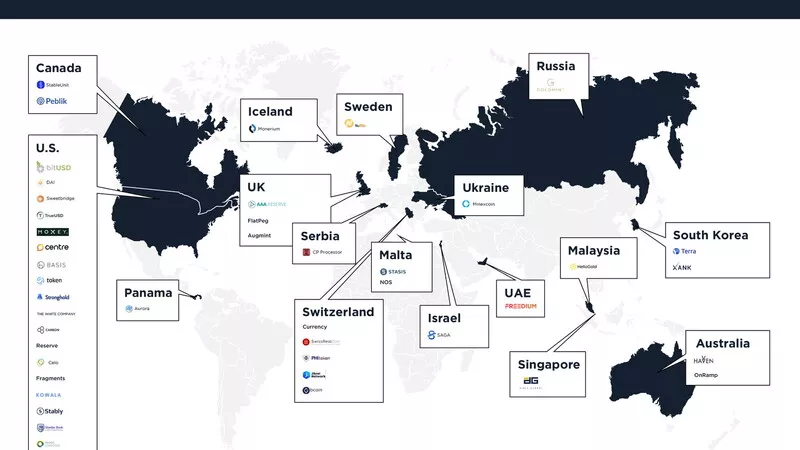
On the contrary, stablecoins are a form of private digital currency: they are tokens issued by private entities and backed by reserves of financial assets that stabilise their value. Stablecoins combine the efficiency of blockchain technology – characterised by fast transactions, low costs and global operability – with the stability of traditional currencies. In recent years, they have spread so rapidly that by 2025 the global stablecoin market exceeded £300 billion, with annual transaction volumes reaching trillions of US dollars.
There is no doubt that international payments have benefited from this, generating almost immediate transfers and reduced costs, which are now attractive to businesses as well as financial sector operators involved in frequent cross-border transactions. Just think of the phenomenon of remittances abroad. However, behind this development lies a broader issue: if a significant portion of bank deposits were converted into stablecoins, banks could lose part of the funding that currently supports their lending to the real economy. We are therefore not just talking about innovation in the Fintech sector, but we are facing a change in the financial architecture that involves not only central banks but the entire banking system more generally.
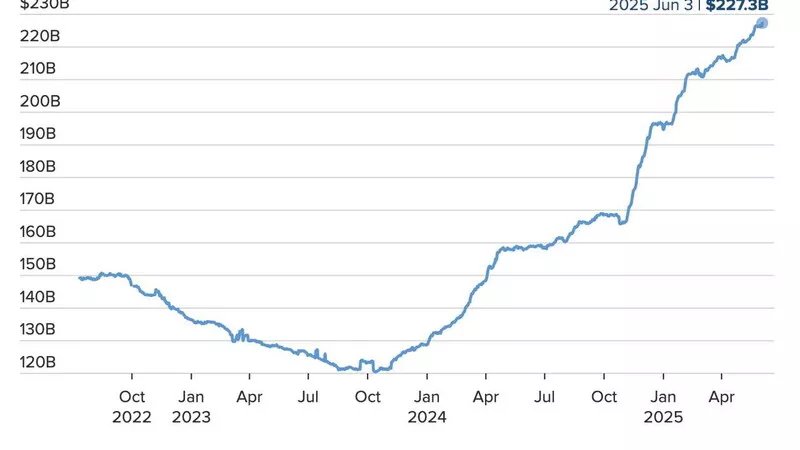
The debate on the digital euro and stablecoins has now taken on macroeconomic and geopolitical dimensions, as well as technological and financial ones. Currently, over 90% of global stablecoins are denominated in dollars; this implies that the digitisation of payments could push towards a new form of dollarisation of the digital economy, with direct consequences on the international role of other currencies. And this at a time when the US dollar, coming out of a period of evident weakness, had reduced its presence in international reserves in favour of the euro.
For Europe, the issue therefore remains extremely sensitive. A significant portion of digital payments in the European Union are made through private infrastructures that are predominantly non-European and linked to the American market — circuits such as Visa, Mastercard, PayPal and Apple Pay. This is not only a commercial issue, but also one of strategic autonomy: in a context of growing trade tensions, dependence on external payment systems could prove vulnerable.
This is where the ECB’s digital euro project comes in. The European Parliament expressed significant political support with its vote on 10 February 2026, calling it a crucial tool for strengthening payment sovereignty within the European Union. At the same time, Europe has developed a complex regulatory framework, criticised by many but necessary in light of the facts, which includes the MiCAR regulation, which governs crypto-assets and imposes strict requirements on stablecoins. The digital euro project also aims to maintain the role of public money in the digital economy, together with the AI Act, which regulates high-risk algorithmic systems, including in financial markets.
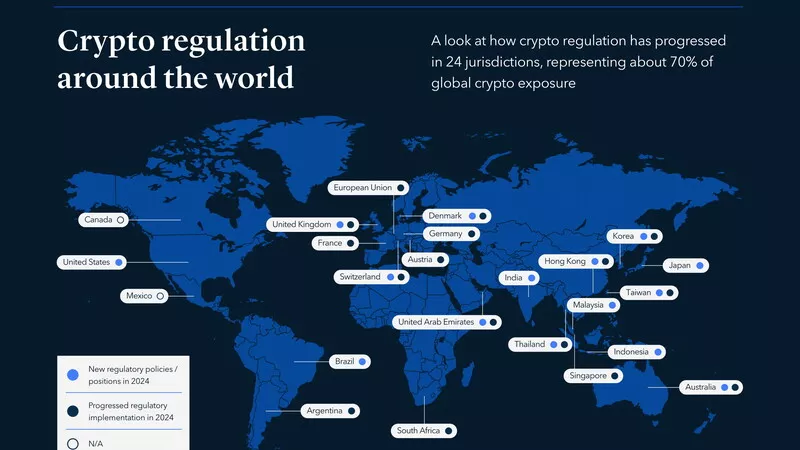
The EU is starting to build a dual model: on the one hand, a public digital currency that can guarantee stability and trust; on the other, an innovative market that is already subject to regulation. However, several critical issues remain unresolved. A recent report published by the ECB highlights how the growing adoption of these instruments could generate a substitution effect for bank deposits, shifting liquidity towards digital assets. Furthermore, the spread of stablecoins – especially those denominated in foreign currencies – risks weakening the monetary policy transmission mechanism, with significant implications for financial stability and monetary sovereignty in the euro area.
Dr Cipollone, a member of the Executive Board of the European Central Bank, made very clear statements in this regard: “Dollar-denominated stablecoins could gain traction in Europe, starting with cross-border retail payments, for example in e-commerce and tourist locations, or for currently marginal uses such as gaming and micropayments”. He added, ‘In the not too distant future, European banks could lose commissions, data and retail deposits to stablecoins, which are already working with international circuits to replace bank deposits as a source of liquidity.’
Therefore, it is not only the efficiency of payments that is at stake, but also the international positioning of the euro itself, the resilience of the European financial system and, ultimately, the capacity of the European Union not only as a large market but also as a global monetary player. When the channels through which value circulates and the means that represent it change simultaneously, it is not just payment technology that changes; the balance of the economic system also changes, as does the geography of monetary power, which also affects new geopolitical structures.