
by Claudia Segre
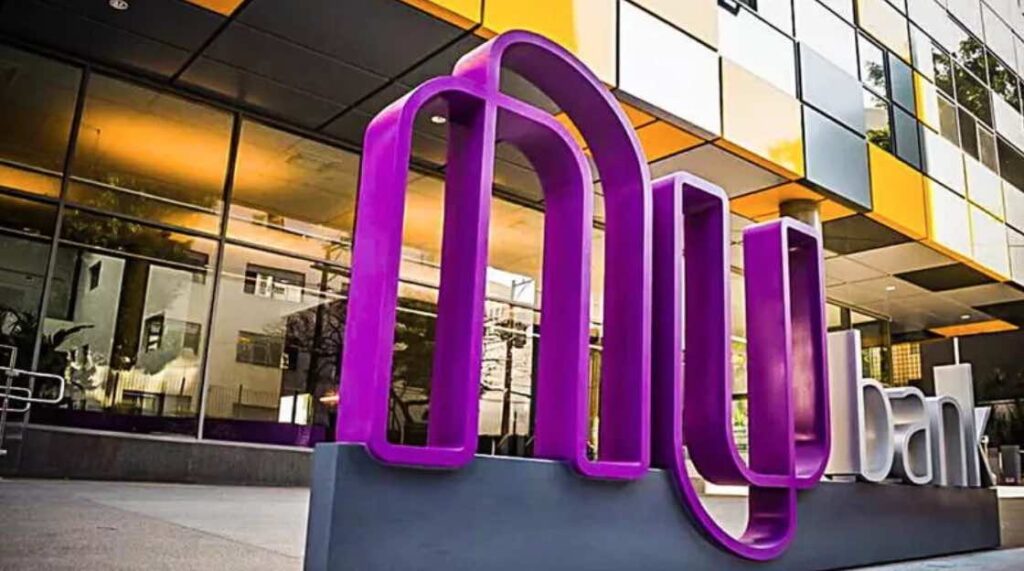
There is one piece of news that, more than any analysis, illustrates how the relationship between banks and fintech has changed: Nubank has announced an investment of around 45 billion reais in Brazil by 2026, to be spent on artificial intelligence, new products, and financial inclusion
4 May 2026 at 8.19 pm
There is one piece of news that, more than any analysis, illustrates how the relationship between banks and fintech has changed: Nubank has announced an investment of around 45 billion reais in Brazil by 2026, earmarked for artificial intelligence, new products, and financial inclusion. This is not just a substantial sum, but a sign of a structural shift: a bank born digital – and therefore already ‘hybrid’ by definition – investing like a large traditional institution but with a typically fintech approach, centred on technology, data and platforms.
And this is precisely the point. Nubank does not represent the triumph of fintech over banks, but something far more interesting: proof that the distinction between the two worlds has gradually dissolved. Having started as a fintech company, it has become a bank; today, it functions as a financial infrastructure on a systemic scale, with over 100 million customers and a central role in the country’s economic ecosystem.
It is an emblematic case because it shows that the real ‘marriage’ is no longer between fintech and traditional banks, but within new digital-native models, where technology and financial intermediation are born together. And perhaps this is precisely the culmination of the evolution of recent years: no longer collaboration between distinct worlds, but convergence into a single model.
For years, we have portrayed the relationship between banks and fintech as a contest: on the one hand, traditional institutions – solid but slow; on the other, start-ups – fast but still seeking scale and sustainability. Today, five years on, this narrative no longer holds water.
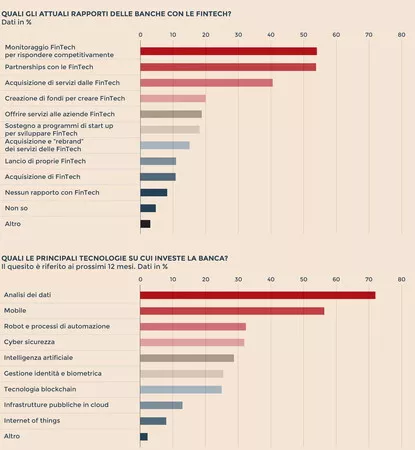
The turning point is clear: we are no longer facing competition, but genuine interpenetration. An evolution that has changed the way financial services are designed, distributed, and used, with tangible benefits for consumers, businesses, and public administration. The figures clearly illustrate this transformation: over 80% of fintechs now collaborate with traditional financial institutions, often through API integrations. It is not merely cooperation: it is structural integration. Fintechs provide technology, user experience, and data analysis capabilities; banks provide licences, capital, infrastructure, and trust.
The result is a hybrid ecosystem, in which banks are becoming increasingly ‘tech-enabled’ and fintech firms are increasingly regulated.
This shift has had a twofold effect. On the one hand, it has accelerated innovation in services: digital payments, simplified onboarding, faster and more personalised credit, and advanced treasury management for businesses. On the other hand, it has broadened access, reducing certain historical barriers linked to financial and digital literacy.
This is where one of the most interesting developments comes in: the gradual reduction of inequalities in access.
The use of intuitive platforms, digital wallets, and embedded services has made it easier for those traditionally excluded from the financial system to gain access. This is no small step, particularly when viewed through the prism of economic inclusion and the prevention of financial abuse.
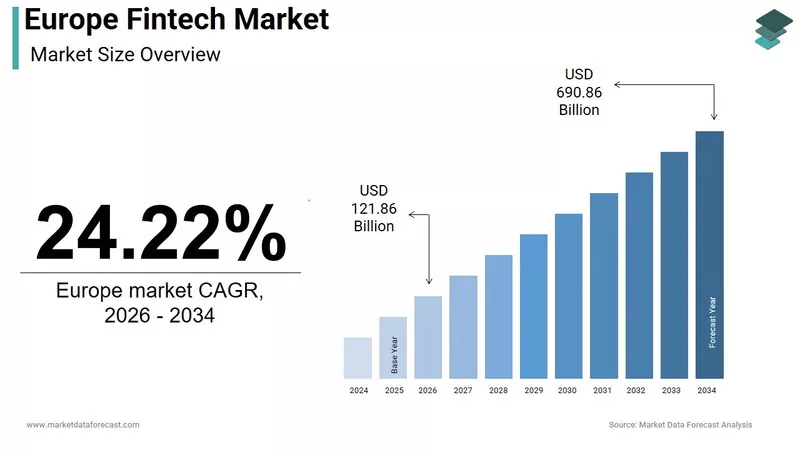
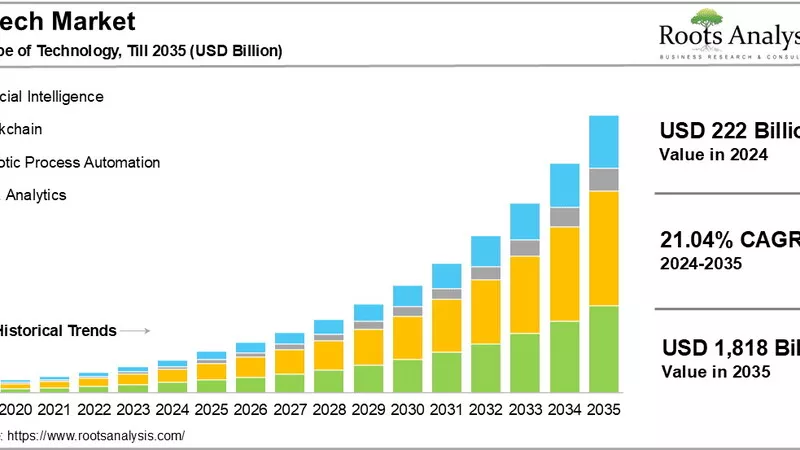
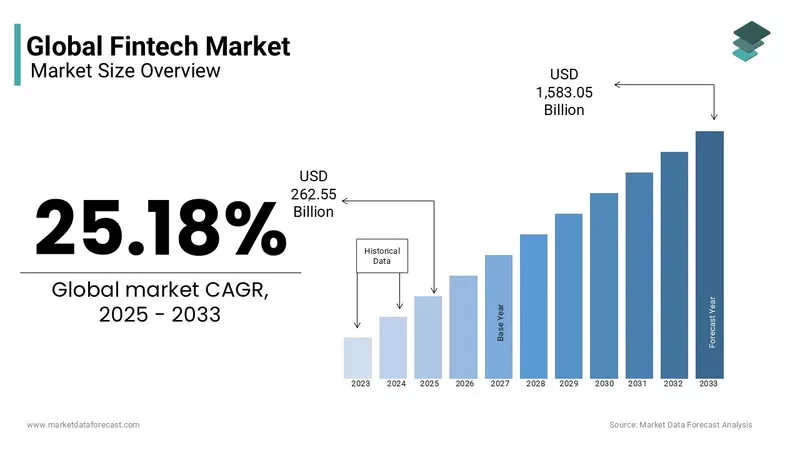
Of course, this transformation is not without its challenges. Fintech companies are growing faster than the traditional financial sector, but they still account for only a limited share of total revenues. Above all, not all of them can achieve profitability: the current phase is one of selection, no longer of indiscriminate expansion.
Banks, for their part, are also facing a profound redefinition of their business model. Margins are under pressure, the customer relationship is shifting increasingly towards external platforms – from wallets to apps – and competition is centred on technology, data, and the ability to personalise.
At the European level, this process is guided in a rather structured way by legislation. From PSD2 to the developments towards open finance, the principle is clear: financial data must become interoperable, whilst respecting consent and security. The next frontier will be precisely this: moving from open banking to open finance, extending data sharing to investments, insurance, and credit.
This regulated model is a distinctive European feature compared to other contexts. In the United States, for example, the bank–fintech relationship is driven more by the market and commercial partnerships, whilst in emerging countries – such as India and Brazil – public infrastructure acts as a catalyst, with instant payment systems that have revolutionised financial inclusion.
Europe, therefore, occupies a middle ground: a strong focus on consumer protection and stability, but facing the challenge of maintaining competitiveness and the capacity for innovation.
Against this backdrop, Italy is also showing promising signs. The fintech ecosystem is smaller than in other countries, but more mature: fewer start-ups, greater focus on sustainability, and increasing integration with the banking system. At the same time, banks continue to invest significantly in innovation, with over €1 billion allocated to financial technologies in the last two years.
The key point, however, is another: digitalisation is no longer just a matter of efficiency, but of trust.
With the advent of artificial intelligence, the cloud, open finance, and new tech players, the risk is no longer merely financial, but also operational and systemic. The stability of the system depends increasingly on digital infrastructure, cybersecurity, and data management. For this reason, the future of the relationship between banks and fintech must be based on three pillars: collaboration, accountability, and governance.
Because whilst technology is indeed redefining finance, it is equally true that trust remains its most valuable asset. And today, more than ever, that trust is built together.